


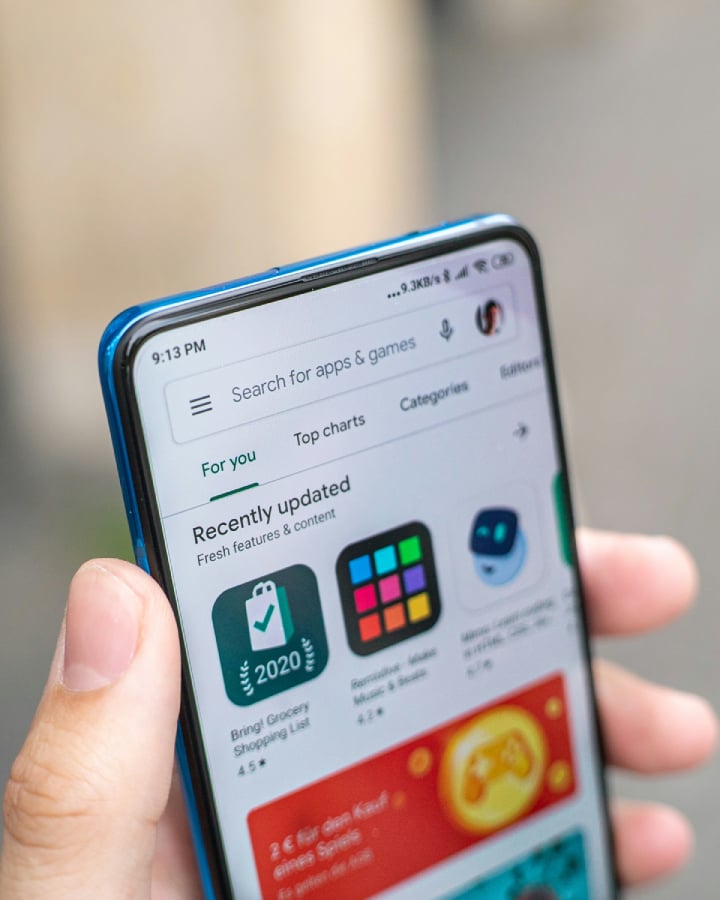
Google’s grip on Android app distribution is about to loosen, at least in the United States.
The tech giant has notified developers that, beginning July 22, third-party Android app stores in the US will be able to access Google Play app listings and offer those apps to users as part of a court-ordered change stemming from its antitrust fight with Epic Games.
According to Google, app listings, including names, icons, descriptions, screenshots, and videos submitted to Google Play, will automatically become available to eligible third-party US Android app stores unless developers choose to opt out.
The company said app downloads initiated through those stores will still be fulfilled through Google Play, and its existing service fees will continue to apply. Google also reminded developers that external app stores operate under their own content and policy rules, not Google Play’s standards.
Google and Epic abandon revised settlement
The changes follow Google and Epic Games’ decision to withdraw a proposed settlement that would have replaced the court’s original remedies with a global “Registered App Stores” program centered on sideloading.
Instead, Google will comply with US District Judge James Donato’s original injunction, which requires the company to allow competing app stores to be distributed through Google Play itself.
In a statement, Google spokesperson Dan Jackson said: “We’ve agreed with Epic to withdraw our motion to modify the US Court’s injunction rather than prolonging this process which creates uncertainty for the ecosystem.”
Jackson added, according to The Verge“This allows us to focus on executing our recently announced global business model evolution to deliver greater app store choice, lower prices, and more opportunities for developers and users. We remain committed to maintaining Android’s industry-leading security and fostering a competitive ecosystem where every app store and developer has the freedom to compete. In parallel, we continue to comply with the US Court’s injunction.”
New rules for developers and rival app stores
Google has launched its Play Catalog Access Program for third-party app stores seeking access to the Play catalog.
Developers can decide whether to do the following:
- Publish all app listings to every participating third-party store.
- Manage each store individually.
- Block all third-party stores from accessing their listings.
If developers take no action before July 22, Google said their US app listings will be shared by default.
Third-party app stores must also meet Google’s security and operational requirements. Participating stores must undergo security reviews, pay annual program fees, limit Play catalog distribution to US users, and maintain strict malware thresholds to remain eligible.
More Google coverage
What this means for Android
The policy marks one of the biggest changes to Android’s app ecosystem in years. Rival marketplaces could gain greater visibility by making their apps available for download on Google Play rather than relying primarily on sideloading.
At the same time, Google’s role in the transaction remains significant. Downloads will still be fulfilled through Google Play, and Google will continue collecting service fees on those installs. That means the company is granting competitors access while retaining control over key parts of the app delivery process.
For developers, the immediate decision is whether broader distribution through competing stores is worth the additional exposure, particularly since those stores may enforce different content policies than Google Play.
Looking ahead
The July 22 rollout represents a significant shift in Android’s business model, but it is not a complete break from Google’s ecosystem.
Consumers may see more choices for discovering apps, while developers gain additional distribution channels. At the same time, Google retains control over the fulfillment process and continues enforcing security requirements for participating stores.
That balance means the success of competing app marketplaces will depend less on simply gaining access to Google Play and more on whether they can offer experiences compelling enough to persuade users to install and regularly use another app store.
For developers, the change expands potential reach, but it also introduces another marketplace to manage as Android’s app ecosystem becomes more competitive.
Also read: RedHook Android malware uses fake banking and government apps to steal data and remotely control phones in Vietnam and Indonesia.