

Close Menu
  • Tech Insights
  • Laptops
  • Mobiles
  • Gaming
  • Apps
  • Money
  • Latest in Tech
Facebook X (Twitter) Instagram
TechzLab – Tech News, Gadgets, Mobile & IT UpdatesTechzLab – Tech News, Gadgets, Mobile & IT Updates
  • Tech Insights
  • Laptops
  • Mobiles
  • Gaming
  • Apps
  • Money
  • Latest in Tech
TechzLab – Tech News, Gadgets, Mobile & IT UpdatesTechzLab – Tech News, Gadgets, Mobile & IT Updates
Home » Look Up at Night and You May See Two Meteor Showers in July
Tech Insights

Look Up at Night and You May See Two Meteor Showers in July

adminBy adminJuly 11, 2025No Comments3 Mins Read
Facebook Twitter Pinterest LinkedIn Tumblr Email
Share
Facebook Twitter LinkedIn Pinterest Email

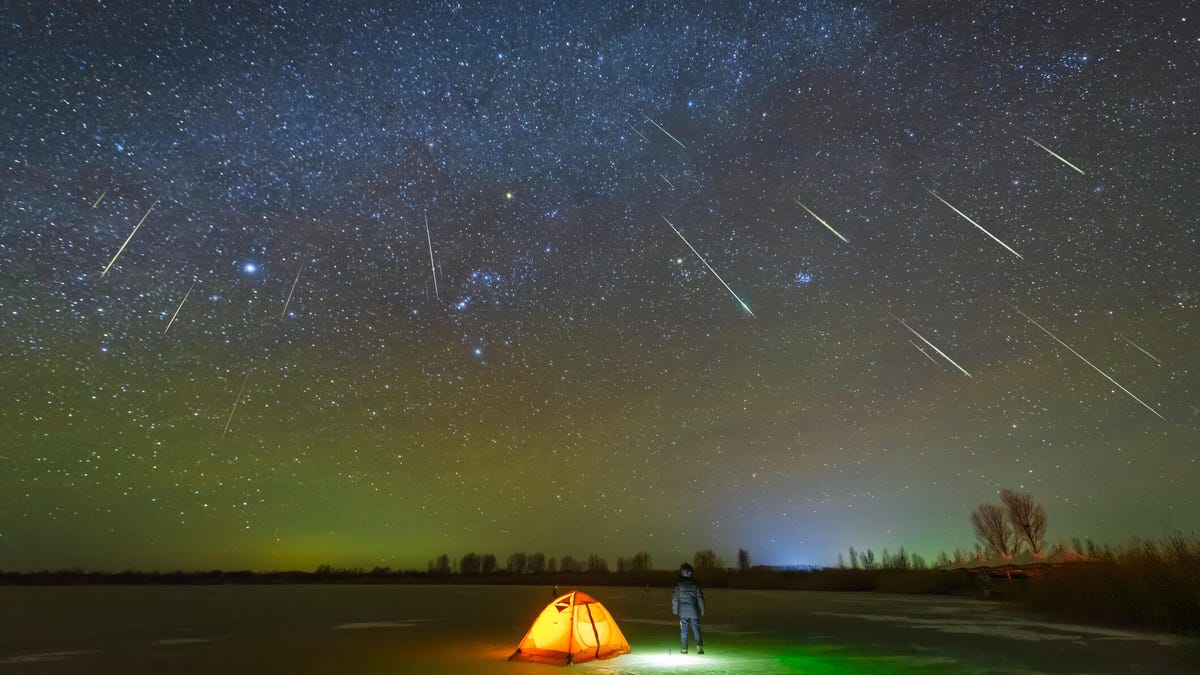
Meteor showers happen periodically all year. In fact, they happen so often that they overlap for significant percentages of the year. There are two times when three meteor showers will be active in October, for example. But a rarer feat is having two meteor showers that have their activity peak at the same time. The next time that’s happening is on July 29.

The show will come courtesy of the Alpha Capricornids and Southern delta Aquariids meteor showers. The former begins on July 12 and runs through Aug. 12, with a peak of July 29. Southern delta Aquariids will start on July 28, peaks early on July 29, and then runs until Aug. 12 as well. That means for one evening, the two meteor showers are peaking at the same time, giving stargazers a much better chance at catching a shooting star.

Of the two, the Southern delta Aquarids is typically the larger meteor shower, tossing upwards of 25 meteors per hour during its zenith. Alpha Capricornids is a lesser meteor shower, with about five per hour on average. Combined, they’ll output an estimated 30 per hour.

How to see the meteor showers

Since the meteors are coming from two different points in the sky, you would think spotting meteors from both would be difficult, but that is far from the truth.

Alpha Capricornids, which hails from the 169P/NEAT comet, originates from the Capricornus constellation. It will rise from the eastern skies across the continental US around sunset and streak across the southern sky, setting in the western sky at sunrise.

For the Southern delta Aquariids, its radiant — the point from which its meteors seem to originate — is the Aquarius constellation. Aquarius is right next to Capricornus. That means it also rises out of the eastern horizon, streaks across the southern sky, and sets in the western horizon around dawn.

If you have trouble finding either of them, Stellarium’s free sky map will help you hunt them down. Set the time, date and location, and you’re off to the races. Once you find one, the other one is essentially right there next to it.

Tips on spotting shooting stars

As per the norm, the tips here are the same as they are for the aurora borealis and planet parades. Light pollution and weather are your two biggest enemies. Since you can only do anything about one of those, let’s focus on light pollution. You’ll want to drive as far away from the city and suburbs as possible, as the light pollution will make it difficult to see the dimmer meteors. The further away you are, the better, as even suburban light pollution can obfuscate most meteors.

Once out there, you just have to sit and wait. Since the constellations will move across the south as you watch, you may have to rotate your chair if you’re out there for a while. Otherwise, a pair of binoculars may help. Telescopes aren’t recommended, as it obscures your field of view and may actively obstruct your ability to see meteors.

Share. Facebook Twitter Pinterest LinkedIn Tumblr Email
admin
  • Website

Related Posts

I replaced my bedroom TV with this $170 Roku projector and don’t regret it

December 17, 2025

OpenAI Rolls Back ChatGPT’s Model Router System for Most Users

December 16, 2025

Garmin just leaked its Vivosmart 6 tracker – and it might come with one major upgrade over its predecessor

December 15, 2025
Leave A Reply Cancel Reply

This site uses Akismet to reduce spam. Learn how your comment data is processed.

Latest
  • YouTube to pull music data from Billboard's charts because it doesn't like its ranking formula | TechCrunch December 17, 2025
  • Fallout 5 Will Exist in a World Where ‘The Stories and Events of the Show Happened or Are Happening,’ Todd Howard Confirms December 17, 2025
  • Realme 16 Pro+ visits TENAA, has its specs revealed December 17, 2025
  • How to Change the Theme in Google Play Store on Android – Technobezz December 17, 2025
  • Nvidia's new Game Ready Driver repeats an annoying black screen issue from previous versions – it needs fixing ASAP – TechRadar December 17, 2025
We are social
  • Facebook
  • Twitter
  • Pinterest
  • Instagram
  • YouTube
  • Vimeo

Subscribe to Updates

Get the latest creative news from Techzlab.

Tags
AI ai coding Anthropic Apple Apps artificial intelligence ChatGPT cybersecurity data centers Disney Donald Trump electric vehicles Elon Musk Equity evergreens EVs Exclusive gemini Google Grok In Brief iPhone matt mullenweg Meta Microsoft Netflix nvidia Openai Perplexity Pinterest renewable energy robotics siri Softbank Solar Power SpaceX Spotify streaming TechCrunch Disrupt TechCrunch Disrupt 2025 Tesla Trump Administration Uber WordPress YouTube
Archives
Quick Link
  • Apps (353)
  • From the Editor (4)
  • Gaming (384)
  • Laptops (385)
  • Latest in Tech (381)
  • Mobiles (388)
  • Money (215)
  • Tech Insights (368)
Don't miss

I replaced my bedroom TV with this $170 Roku projector and don’t regret it

December 17, 2025

OpenAI Rolls Back ChatGPT’s Model Router System for Most Users

December 16, 2025

Garmin just leaked its Vivosmart 6 tracker – and it might come with one major upgrade over its predecessor

December 15, 2025
Follow us
  • Facebook
  • Twitter
  • Pinterest
  • Instagram
  • YouTube
  • Vimeo
© 2025 Techzlab.com Designed and Developed by WebExpert.
  • Home
  • From the Editor
  • Money
  • Privacy Policy
  • Contact

Type above and press Enter to search. Press Esc to cancel.