

Close Menu
  • Tech Insights
  • Laptops
  • Mobiles
  • Gaming
  • Apps
  • Money
  • Latest in Tech
Facebook X (Twitter) Instagram
TechzLab – Tech News, Gadgets, Mobile, IT Updates & ReviewsTechzLab – Tech News, Gadgets, Mobile, IT Updates & Reviews
  • Tech Insights
  • Laptops
  • Mobiles
  • Gaming
  • Apps
  • Money
  • Latest in Tech
TechzLab – Tech News, Gadgets, Mobile, IT Updates & ReviewsTechzLab – Tech News, Gadgets, Mobile, IT Updates & Reviews
Home » US to Introduce New Restrictions on China’s Access to Cutting-Edge Chips
Latest in Tech

US to Introduce New Restrictions on China’s Access to Cutting-Edge Chips

adminBy adminDecember 1, 2024No Comments3 Mins Read
Facebook Twitter Pinterest LinkedIn Tumblr Email
Share
Facebook Twitter LinkedIn Pinterest Email

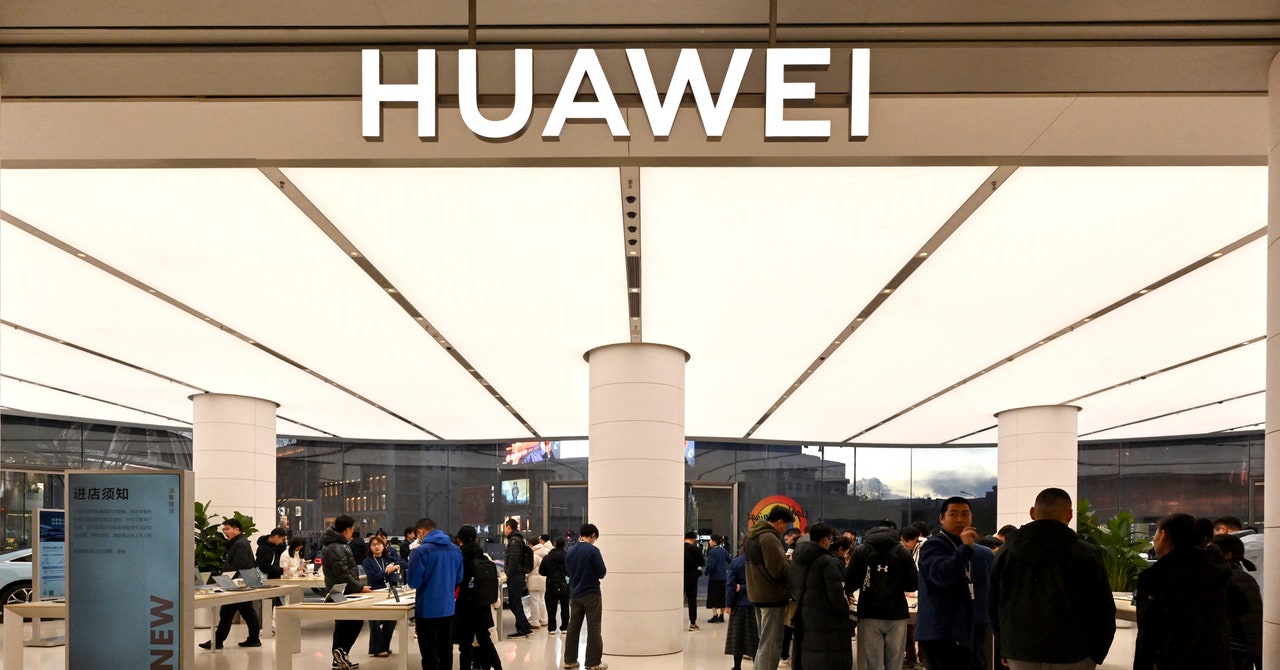
The US government has been imposing similar export controls on China aimed at limiting its ability to mint advanced silicon for years, but the controls apparently didn’t stop Huawei from developing competitive chips for training large AI models.

The Chinese tech giant, which was temporarily crippled by US sanctions half a decade ago, sent samples of its latest AI training chip, called Ascend, to customers this September, according to the South China Morning Post. Companies testing Ascend reportedly include ByteDance, the Chinese parent of TikTok, which is said to be training a large model primarily using Ascend. Baidu, which makes China’s leading search engine and has developed autonomous driving systems, recently placed an order for Huawei’s chips in a shift away from US chip giant Nvidia, according to Reuters. (Nvidia declined to comment.)

Export restrictions aimed at curbing China’s AI sector began under the first Trump administration. In 2019, several up-and-coming Chinese AI firms were added to the entity list, meaning that US firms, including chipmakers like Nvidia, would be required to get a special license to do business with them. This was followed by restrictions on sales of chips made with US technology to Huawei, China’s dominant telco and a leading smartphone manufacturer.

The Biden administration ratcheted up the controls in October 2022, limiting exports to China of cutting-edge GPU chips, including those made by Nvidia, a move aimed at curbing any Chinese company’s ability to train the most powerful AI models. The rules were tightened a year later to close loopholes that still allowed Chinese firms to access some advanced chips.

It can be tricky to gauge the impact of US chip sanctions, and some experts question whether the controls are spurring China to make more rapid advances in chipmaking itself, reducing its reliance on American companies.

In late 2023, Huawei unveiled the Mate 60, a smartphone featuring an advanced chip from the Chinese chipmaker SMIC. The announcement caused a stir in Washington, because it suggested that SMIC had made substantial progress in advancing its own manufacturing techniques. (Further analysis indicated that Huawei and SMIC were still reliant on foreign suppliers.)

But a report published this week by the Center for Strategic and International Studies, a Washington, DC-based think tank, argued that the Chinese government had already begun ramping up investment in domestic chipmaking before the US government began clamping down on the country’s access to advanced semiconductors. It also noted that China has made bigger strides in sectors not subject to export controls, such as solar cell and electric vehicle manufacturing.

Share. Facebook Twitter Pinterest LinkedIn Tumblr Email

Related Posts

Made by Google 2026 Live Updates: Pixel 11 Series, HiLight, Tag, Watch 5 and More

August 12, 2026

NYT Strands hints and answers for Wednesday, July 29 (game #878)

July 29, 2026

Apple is ending the iPhone Upgrade Program, and not everyone will welcome its replacement

July 28, 2026

Comments are closed.

Latest
  • Apple MacBook Pro with PROLED XDR Display 16-inch (2026, M5 Max) review: was the touchscreen worth the wait? November 5, 2026
  • The Biggest New Game Releases Of November 2026 November 1, 2026
  • Apple’s 512GB Mac Studio Now Costs $22,299: Here’s What You Get November 1, 2026
  • Planet Zoo 2 review: an even more diverse, creative zoo-builder October 28, 2026
  • I’ve tested the Asus ProArt P16 RTX Spark for two weeks and its powerful Nvidia chip has blown me away with its awesome AI, gaming and creative performance — but its high price still makes it a tough sell October 28, 2026
We are social
  • Facebook
  • Twitter
  • Pinterest
  • Instagram
  • YouTube
  • Vimeo

Subscribe to Updates

Get the latest creative news from Techzlab.

Tags
AI Amazon Anthropic Apple artificial intelligence ChatGPT cybersecurity data centers defense tech Donald Trump electric vehicles Elon Musk evergreens EVs Exclusive Fintech gemini Google Grok In Brief India jack dorsey Layoffs Meta Microsoft Mythos nvidia nvidia gtc Nvidia GTC 2026 Openai Perplexity Polymarket Redwood Materials sam altman Sequoia Capital siri social media Softbank SpaceX Spotify Tesla Truecaller Uber Windows X
Archives
Quick Link
  • Apps (407)
  • From the Editor (4)
  • Gaming (387)
  • Laptops (409)
  • Latest in Tech (405)
  • Mobiles (409)
  • Money (229)
  • Tech Insights (411)
Don't miss

Apple’s 512GB Mac Studio Now Costs $22,299: Here’s What You Get

November 1, 2026

EA Sports FC 27 review: come for The Grounds, stay for Career

October 18, 2026

Price, Models, Gemini Features, and Everything to Know

September 27, 2026
Follow us
  • Facebook
  • Twitter
  • Pinterest
  • Instagram
  • YouTube
  • Vimeo
© 2026 Techzlab.com Designed and Developed by WebExpert.
  • Home
  • From the Editor
  • Money
  • Privacy Policy
  • Contact

Type above and press Enter to search. Press Esc to cancel.